The Hidden Influence of Climate on Cannabis Flavor
Two growers plant the exact same cannabis cultivar.
One harvest smells bright and citrusy.
The other smells deeper, almost earthy.
Same genetics.
Same strain name.
So what changed?
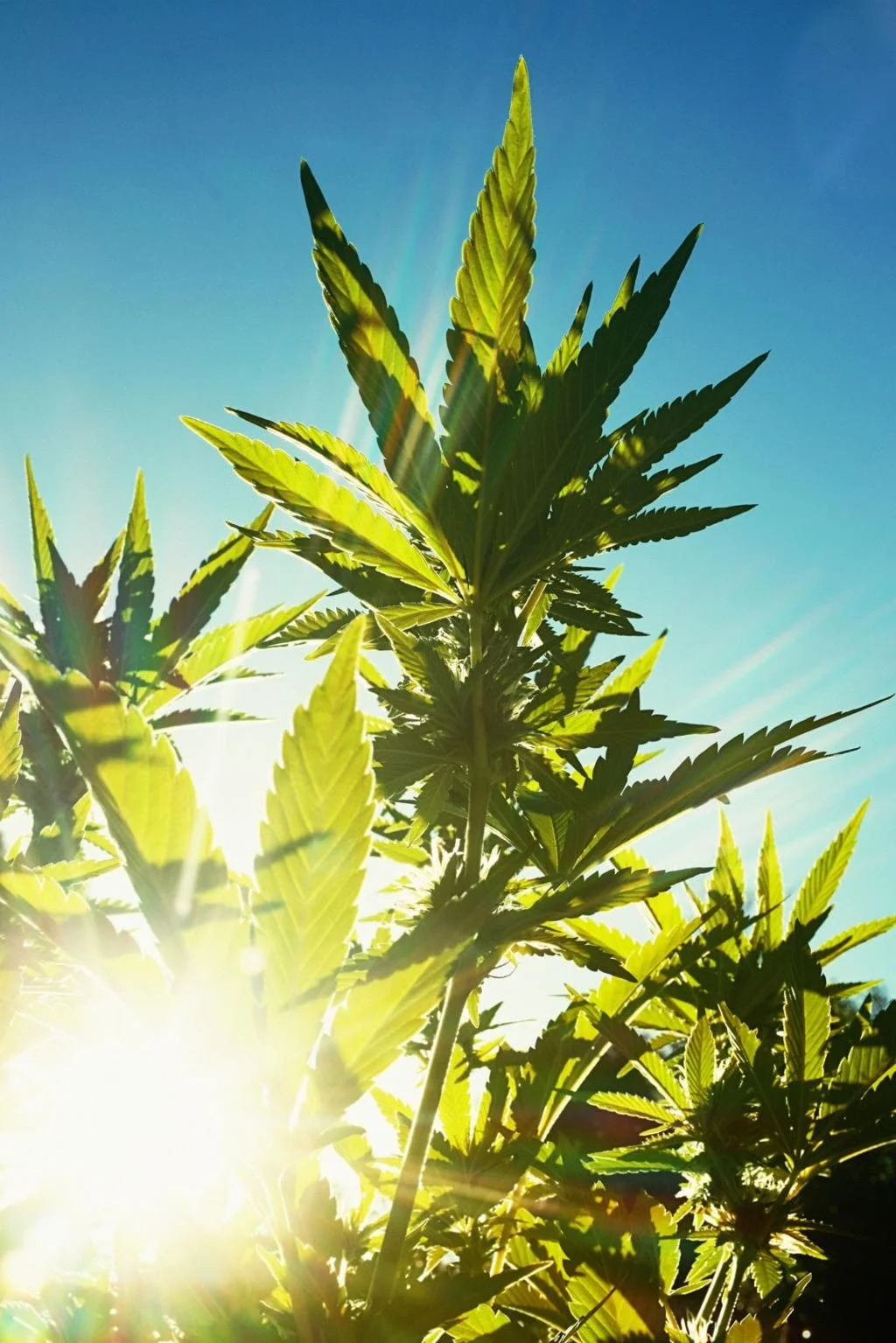
Sunlight shining through cannabis leaves
If two growers plant the exact same cannabis cultivar, should the finished flower taste identical?
Most people assume the answer is yes.
After all, genetics determine flavor… right?
But talk to experienced growers long enough and you’ll hear something surprising:
The same cultivar grown in different places can smell similar — yet unmistakably different at the same time.
Sometimes the citrus becomes brighter.
Sometimes the fuel note softens.
Sometimes the flower develops entirely new aromatic layers.
So what’s happening?
To understand that, we have to look beyond genetics and examine something many people overlook:
Climate.
Genetics Create Possibility — Not Certainty
Every cannabis plant contains a genetic blueprint that determines which terpene pathways it can produce.
Some cultivars naturally lean toward bright citrus terpenes.
Others produce deep earthy aromatics, floral notes, or pungent gas-like compounds.
But genetics don’t lock flavor into a fixed outcome.
They define a range of possibilities.
Think of genetics as a musical instrument.
A violin will always sound like a violin — but the room it’s played in, the air humidity, and the musician’s touch can all subtly change the sound.
Cannabis behaves the same way.
The plant carries the blueprint.
But the environment decides how that blueprint expresses itself.
Sunlight Intensity Shapes Terpene Production
Light is the engine behind nearly everything a plant does.
Through photosynthesis, cannabis converts light into sugars, which then become the building blocks for cannabinoids and terpenes.
When light intensity is strong and consistent, plants often produce more robust terpene profiles.
But intensity must be balanced.
Too little light limits terpene production.
Too much heat stress can push plants toward survival chemistry rather than flavor development.
The ideal condition is strong, stable light without excessive stress — allowing the plant to invest energy into aroma instead of defense.
Altitude Changes Plant Chemistry
Altitude quietly alters several environmental conditions at once.
Higher elevations often bring:
• increased UV exposure
• cooler nighttime temperatures
• lower atmospheric pressure
Plants respond to these pressures by producing protective compounds — many of which are aromatic secondary metabolites.
This is one reason cannabis grown in mountainous regions sometimes develops sharper, more complex aromas.
The chemistry isn’t random.
It’s the plant responding to environmental signals.
Humidity Influences Aromatic Stability
Terpenes are volatile molecules.
They evaporate easily.
In extremely humid environments, evaporation slows — but fungal pressure increases, which can push plants into stress responses.
In very dry environments, terpenes may evaporate more quickly, reducing aromatic intensity before harvest.
Balanced humidity and steady airflow allow plants to retain their aromatic oils while staying healthy.
When the air environment is stable, the plant can invest its energy in building complexity rather than simply surviving.
Soil Microbiology: The Invisible Ingredient
One of the most overlooked contributors to cannabis flavor exists below the surface.
Healthy soil is alive.
Bacteria, fungi, and other microorganisms form vast underground ecosystems around plant roots.
These microbes help:
• unlock nutrients from soil minerals
• transport nutrients to the plant
• influence hormone signaling
• alter metabolic pathways inside the plant
When this microbial ecosystem is thriving, plants often produce richer terpene profiles and deeper aromatic layers.
In other words:
Flavor doesn’t begin in the flower.
It often begins in the soil beneath it.
Cannabis Is Always Responding
When sunlight, altitude, humidity, and soil life interact, the plant begins responding to its environment.
Not randomly.
But intelligently.
It adjusts its chemistry, growth patterns, and aromatic compounds to match the conditions surrounding it.
This is why cannabis grown in different regions often develops subtle regional character.
It isn’t just genetics at work.
It’s the conversation between plant and place.
So What Are You Actually Tasting?
Which brings us back to the question we started with.
If climate influences flavor this much…
When you smell a finished cannabis flower, what are you actually experiencing?
Is it the genetics?
Or the environment that shaped them?
The answer is both.
Every cultivar is a partnership between what the plant can become and where it is allowed to grow.
And that partnership is what ultimately creates the aroma in your hand.
