Why Some Cannabis Strains Disappear Forever
“Cultivars fade when no one continues their lineage.”
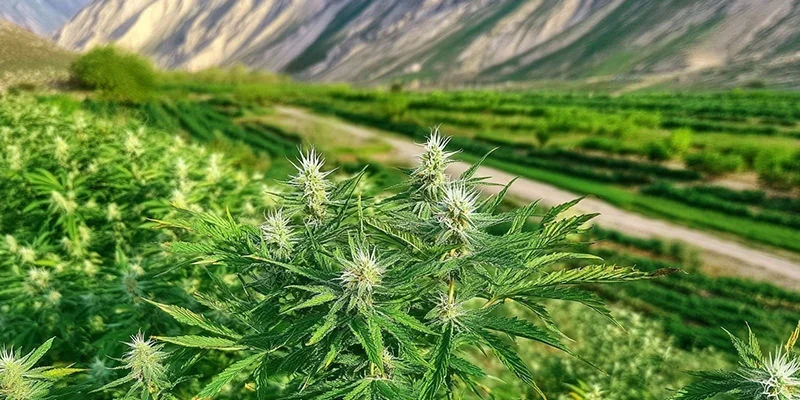
Landrace plants
Cannabis strains are often talked about as if they are permanent things.
People say their names like they are fixed objects.
“This is OG Kush.”
“This is Sour Diesel.”
But plants don’t work that way.
In reality, cannabis genetics are constantly shifting. Every generation introduces small changes. Aromas drift. Traits fade. New expressions emerge.
And sometimes something even stranger happens.
Some strains don’t evolve.
They simply disappear.
Not renamed.
Not hiding somewhere else.
Just… gone.
Which raises an uncomfortable question for anyone who cares about cannabis:
How does a plant disappear forever?
A Strain Only Exists If Someone Keeps It Alive
Unlike a book, a painting, or a piece of music, a cannabis cultivar doesn’t preserve itself automatically.
A strain only survives if someone continues growing it.
Generation after generation.
That means maintaining:
• the original genetics
• the breeding lines
• the selection standards
If that chain breaks — even once — the original plant may vanish permanently.
And throughout cannabis history, that chain has broken many times.
The Problem of Genetic Bottlenecks
One major reason cultivars disappear is something called a genetic bottleneck.
This happens when a large population of plants is reduced to only a few surviving examples.
When breeders restart from those few plants, something important is lost.
The full genetic range of the original population no longer exists.
It’s similar to making a copy of a copy of a copy.
Each generation carries a little less of what made the original cultivar unique.
The name might survive.
But the plant slowly becomes something else.
Markets Change What Gets Preserved
Cannabis genetics are also shaped by market demand.
Breeders naturally focus on traits that growers and consumers are actively seeking.
Right now those traits often include:
• extremely high THC
• loud fruit or candy aromas
• dense, visually striking buds
These characteristics dominate modern breeding programs.
But older cultivars often expressed very different chemistry.
Subtle spice notes.
Floral terpenes.
Balanced cannabinoid profiles.
Slower, more layered effects.
Because those plants didn’t always match modern demand, many were quietly replaced by more commercially reliable varieties.
Some strains didn’t disappear because they were inferior.
They disappeared because they weren’t fashionable anymore.
The Loss of Regional Heirloom Plants
Long before cannabis became a globalized industry, many regions developed their own local cultivars.
These plants are sometimes called landraces or heirloom varieties.
They evolved over long periods of time in very specific environments:
• mountain valleys
• coastal climates
• tropical highlands
• desert foothills
Farmers selected seeds year after year based on resilience, aroma, and cultural preference.
Over generations, these plants developed incredibly unique chemical and structural traits.
But when hybridized seeds began spreading worldwide, many traditional cultivars were gradually replaced.
Once the last farmer stopped saving those seeds…
the line disappeared.
And with it, a piece of cannabis history.
Why Genetic Preservation Matters
Every cannabis plant contains a unique combination of traits.
Inside each cultivar are complex interactions between:
• cannabinoids
• terpenes
• environmental adaptations
• genetic expressions developed over decades or centuries
When a strain disappears, those combinations disappear with it.
And as breeding increasingly concentrates around a narrow set of popular traits, the overall genetic diversity of cannabis becomes smaller.
Preservation is not just about nostalgia.
It’s about protecting the future potential of the plant.
Because the next remarkable cultivar — the one with a completely new aroma, effect, or medical application — may only exist because someone protected an older genetic line instead of replacing it.
The Quiet Role of Breeders
Most people see breeders as creators.
But in many ways, breeders are also caretakers.
They maintain old lines.
Preserve rare seed collections.
Protect unusual chemistry that might otherwise vanish.
Much of this work happens quietly and without recognition.
Yet decades from now, the cannabis cultivars that still exist will depend on decisions being made today.
Because extinction in cannabis rarely happens all at once.
It happens slowly.
One forgotten seed at a time.
