Does Cannabis Have Terroir?
“If wine reflects the land it comes from, why wouldn’t cannabis?”
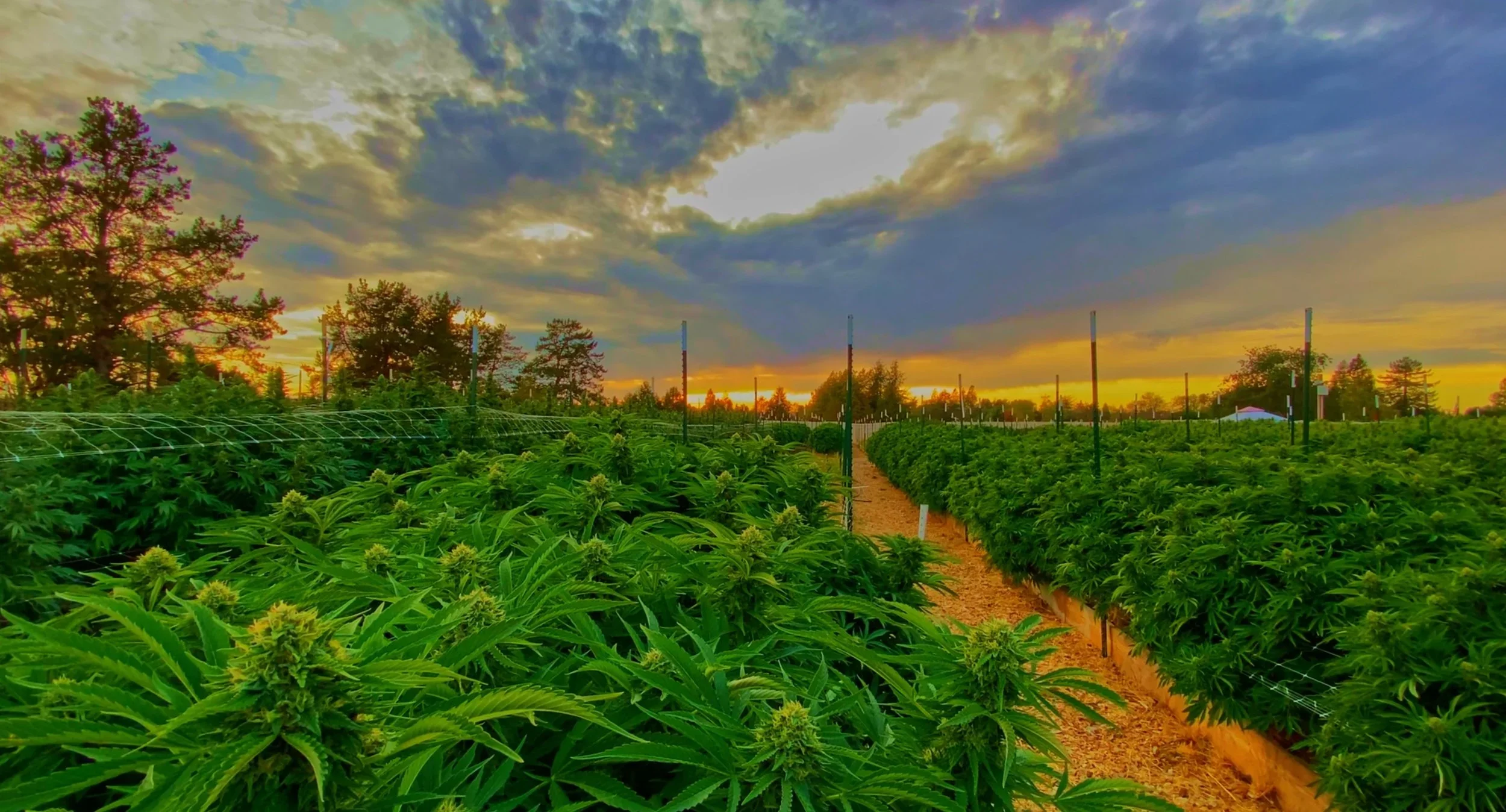
Outdoor cannabis plants
Most people associate the word terroir with wine.
The idea that where a plant grows — the soil, climate, altitude, sunlight, and even surrounding microorganisms — shapes the flavor of the final product.
A vineyard in Burgundy tastes different from one in Napa.
Not because the grapes are radically different, but because the environment speaks through them.
Which raises an interesting question:
Does cannabis have terroir too?
Or are strain genetics the only thing that matters?
The answer is more complicated than most people think.
Genetics Write the Script
Every cannabis cultivar begins with genetics.
Genetics determine the plant’s potential terpene profile, cannabinoid ratios, structure, flowering time, and resilience.
In other words, genetics write the script.
A cultivar bred to produce limonene will tend to express citrus.
A cultivar rich in myrcene will often lean toward earthier, musky aromas.
But genetics are only part of the story.
Because plants don’t exist in a vacuum.
They exist in environments.
And environments change everything.
Environment Directs the Performance
Think of genetics like sheet music.
The environment is the orchestra playing it.
Temperature swings, sunlight intensity, altitude, soil microbiology, humidity, and water availability all influence how a cannabis plant expresses its chemistry.
Two growers could cultivate the exact same cultivar in two different regions and end up with noticeably different aromas.
One might lean toward fruit.
Another might lean toward spice.
The underlying genetics are identical.
But the environment is interpreting the expression differently.
This is the essence of terroir.
The Wine World Learned This Long Ago
Wine producers have studied terroir for centuries.
Some vineyards separated by only a few hundred meters produce wines that taste distinctly different.
Why?
Because soil composition, microbial life, and microclimate subtly influence plant chemistry.
Cannabis is also a plant that produces complex aromatic compounds — terpenes.
Which means it responds to environment in very similar ways.
Sunlight affects terpene synthesis.
Temperature influences volatile compound production.
Soil microbes affect nutrient availability and stress responses.
All of these factors shape flavor.
And flavor is chemistry.
Why Cannabis Terroir Is Harder to See
There’s one reason the cannabis industry hasn’t fully embraced terroir yet.
Indoor cultivation.
When growers move plants into controlled environments, they intentionally remove most environmental variation.
The goal is consistency.
Lights replace the sun.
Climate control replaces weather.
Hydroponics replaces soil ecosystems.
This creates extremely repeatable results.
But it also masks many of the environmental nuances that terroir depends on.
Outdoor and greenhouse cannabis, on the other hand, often displays much stronger environmental signatures.
Different regions can produce noticeably different terpene expressions even from the same cultivar.
The Future Question
As cannabis cultivation continues to mature, a deeper question may emerge.
Not just what strain is this?
But also:
Where was it grown?
Just as wine labels celebrate vineyards and regions, cannabis may eventually develop its own regional identities.
Mountain-grown cultivars.
Coastal cultivars.
High desert expressions.
Places where the land itself shapes the flavor of the plant.
The Real Answer
So does cannabis have terroir?
In many ways, yes.
But it exists as a conversation between genetics and environment.
Genetics provide the possibilities.
Environment shapes the expression.
And the final flower is the result of both working together.
Which means that two plants with the same lineage might never tell the exact same story.
Sometimes, the land helps write it.
